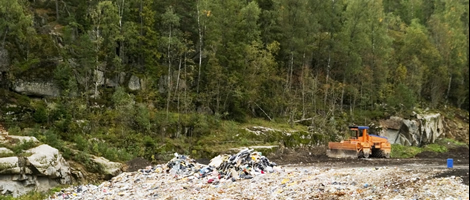
We throw away a million tonnes of electrical and electronic waste every year in the United Kingdom.
Electrical and electronic equipment (EEE) plays an ever-increasing role in our daily lives. Our kitchen appliances, mobile phones and computers offer us many benefits during their working lives but when this equipment is thrown away it affects the environment. Waste electrical and electronic equipment (WEEE) is one of the fastest growing waste streams in the UK and the EU. Some WEEE contains hazardous substances and parts such as mercury in some switches, lead in solder, and cadmium in batteries. Recycling rates for most types of WEEE (other than large 'white goods' such as fridges and washing machines) are very low.
98% of a CRT (TV/Monitor) is recycled with 2% phosphate waste disposed of via incineration.
95% of a Fridge is recycled with 5% phosphate waste disposed of via incineration
The government believes that the WEEE regulations will apply to the following 10 categories of electrical items
 |
Large Household Appliances e.g washing machines, cookers |
|
Small Household Appliances e.g toasters, irons, hairdryers |
|
IT and Telecommunications Equipment e.g PC's, copiers, phones, mobiles |
|
Consumer Equipment e.g TV's, videos, hi-fis |
|
Lighting Equipment e.g fluorescent lamps, but excludes filament light bulbs |
|
Electrical and Electronic Tools, exception large-scale stationary industrial tools e.g lawnmowers, sewing machines, drills |
|
Toys, Leisure and Sports Equipment e.g video games, bike computers, slot machines
|
|
Medical devices, except implanted and infected products e.g ventilators, analysers |
 |
Monitoring and control instruments e.g smoke detectors, thermostats |
|
Automatic dispensers e.g drinks dispensers, chocolate dispensers, ATM's |
|